What is IoT?
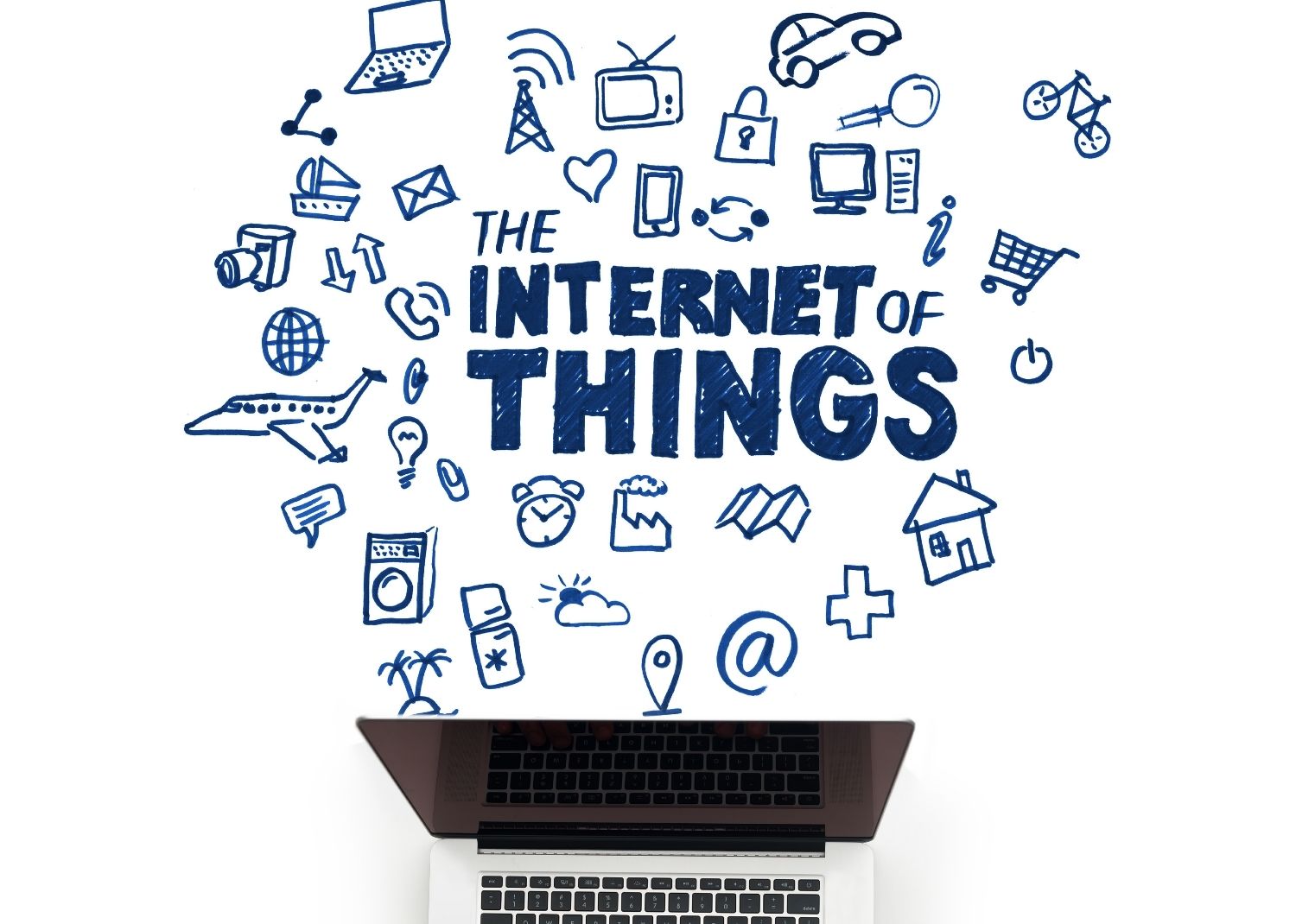
The Internet of Things (IoT) is a network of connected objects and devices (also known as "things") equipped with sensors and other technologies that can exchange data with other objects and systems. Today, IoT is widely used in industrial environments (IIoT) and has become synonymous with Industry 4.0.
Detailed IoT Definition
In the most general sense, the Internet of Things covers any object or "thing" that can wirelessly connect to an internet network. However, today IoT more specifically means connected devices equipped with sensors, software, and other technologies that can transmit and receive data in order to inform users or automate an action. While connectivity was traditionally provided primarily over Wi-Fi, today 5G and other network platforms offer the promise of managing massive datasets anywhere with speed and reliability.
Once IoT devices collect and transmit data, the real goal is to learn as much as possible from this data and obtain increasingly accurate and sophisticated outputs and insights. This is where Artificial Intelligence (AI) technologies come into play: empowering IoT networks with the power of generative AI, machine learning, and data analytics.
Key Drivers of IoT Growth
In just a few decades, IoT data has grown exponentially and this growth is likely to continue. So what triggered this Internet of Things explosion? For IoT to evolve, a certain set of technologies had to come together and advance simultaneously:
Connectivity: Evolving from modest modem-based beginnings, today's internet and cloud connectivity is now fast and robust enough to send and receive massive volumes of data and support the exponential growth of IoT.
Sensor Technology: With the steady increase in demand for IoT sensor innovation, the market has transformed from a few expensive and niche suppliers to a globalized and price-competitive sensor manufacturing industry. Since 2004, the average price of IoT sensors has fallen by more than 70%, and in parallel, better functionality and variety have increased.
Processing Power: To use and leverage the massive amounts of data available, modern businesses demand more memory and processing power than ever before. Speed and competition in this race have increased the validity and applicability of IoT.
Big Data Technology: Since the 1980s, the world's data and the computer technology needed to store it have grown exponentially. Advances in databases and analysis tools have allowed the real-time processing and analysis of massive volumes of data generated from IoT devices, smart vehicles, and equipment.
Artificial Intelligence and Machine Learning: These technologies not only provide the ability to manage and process massive amounts of IoT data, but also offer the possibility of learning from this data. Big Data is artificial intelligence's favorite food. The larger and more diverse the datasets, the more robust and accurate the insights that AI-powered advanced analytics can provide.
Cloud Computing: Just as connectivity is integral to IoT development, the rise of cloud computing is closely linked to this evolution. Cloud IoT services, which can offer on-demand processing power and high-volume storage, have paved the way for devices to collect increasingly large and complex datasets.
How Does IoT Work?
IoT devices become our eyes and ears when we cannot be there physically; they capture the data they are programmed to collect. This data is then aggregated and analyzed to help us automate or inform subsequent actions or decisions. There are four main stages in this process:
- Capture Data: Through sensors, IoT devices capture data from their environment. This can be as simple as temperature or as complex as a real-time video feed.
- Share Data: Using available network connections, devices send this data to a cloud system or another device, or store it locally for processing in edge computing.
- Process Data: At this point, software is programmed to do something based on the data (like turning on a fan or sending an alert).
- Act on Data: Cumulative data from all devices in the IoT network is analyzed. This provides powerful insights for confident business decisions.
IoT Network Examples in Practice
IoT networks and the data they generate are at work in almost every area of modern life (in our homes, in our cars, in our stores, and even in our bodies).
- Smart Homes: Lighting, air conditioning, security systems, and devices can be remotely monitored and controlled via smart switches and sensors.
- Smart Grids: Combined with artificial intelligence, smart grids help consumers better understand the energy they use (or produce). Sensors on the grid identify risks early to minimize outages.
- Smart Cities: IoT helps solve challenges such as population growth, traffic congestion, and aging infrastructure. For example, sensors in sewers can detect water levels to automate actions to prevent flooding.
- Connected Cars: Almost all new vehicles are manufactured with smart functions. Advanced driver assistance systems (ADAS) help prevent collisions, plan routes, and park.
- Retail: Motion-activated cameras, smart shelves, and RFID technologies help shoppers find products, while making it easier to share stock information and send in-store promotions.
- Tele-Health: Medical devices such as smart watches help doctors monitor patients remotely. Smart surgical tools have allowed doctors in remote areas to connect with the world's best surgeons to perform guided surgeries.
- Traffic Management: Traffic congestion can be reduced through sensors and cameras. Real-time data dynamically adjusts signal timings to ensure traffic flow.
Industrial Uses of IoT Data (IIoT)
Of the trillions of gigabits of data produced each year, Industrial IoT (IIoT or Industry 4.0) data is the largest and fastest growing part. This data comes from countless sources, from security cameras to connected vehicles, manufacturing, and transportation applications.
In a smart factory, sensors can detect and even predict mechanical problems to keep things running smoothly. By analyzing operational data, they can find the fastest and most efficient workflows and automate them via a central system. In supply chains, raw materials can be tracked, logistics processes can be monitored in real-time, and customers can be provided with live updates on the status of their orders.
The Future of IoT
What we can expect in the future is a more seamless integration between technology and human experience. Although the metaverse is still a few years away; 3D audio, advanced virtual reality, haptic sensations, and AI-powered real-time personalization mean that our interaction with devices will increasingly turn into more "real" sensory experiences.
Furthermore, with the rise of 5G and ubiquitous high-speed connectivity globally, people will have a quantum-like ability to share these experiences across any distance. The implications are endless and have the potential to change the way we approach our most basic activities and institutions such as the workplace, surgery and medical care, real estate, shopping, travel, and human relations in general.