Introduction: AI Revolution in the Retail Sector
In today's accelerating digital transformation, the retail sector is undergoing a profound change with artificial intelligence (AI) and especially Generative AI (GenAI). According to McKinsey & Co. data, GenAI is expected to create between 400 and 600 billion dollars of value for the retail industry. This technology not only increases operational efficiency but also takes customer interaction to a level of excellence that transcends sector boundaries.
1. Core Components of AI in Retail and Rising Trends
The use of AI in the retail sector is transforming traditional models into a data-driven and proactive structure. At the heart of this transformation are several critical technologies:
- Machine Learning (ML) and Predictive Analysis: Analyzes consumer behavior to predict market trends and optimizes inventory management.
- Natural Language Processing (NLP): Provides 24/7 customer support through smart chatbots and voice assistants.
- Computer Vision: Forms the basis of in-store object recognition and cashier-less store experiences like Amazon Go.
- Agentic AI: These are not passive systems that only respond to instructions, but digital colleagues that can make independent decisions and manage complex processes end-to-end.
2. Hyper-Personalization: The New Loyalty Standard
Traditional personalization methods are giving way to hyper-personalization fed by real-time data. This approach aims to offer the right offer at the right time by analyzing not only the consumer's past behavior but also their location, current mood, and device data.
Sectoral Applications: While Amazon offers style suggestions based on the user's search history, the Nike By You platform allows customers to design their own shoes. In Turkey, brands like Trendyol, Yemeksepeti, and Getir are developing hyper-personalized suggestions using location and weather data.
Economic Impact: Personalization strategies can reduce customer acquisition costs by up to 50% and increase revenue by 5% to 15%.
3. Blurring Digital and Physical Boundaries in Customer Experience
AI offers unique convenience to the customer by combining online and in-store shopping experiences:
- Virtual Try-on and AR: While Nike reduces return rates with foot scanning technology, brands like Sephora and L'Oreal allow virtual try-ons of makeup products.
- Shopping Assistants: Amazon's assistant Rufus can create personalized shopping lists by answering complex questions like camping preparation.
- Quick Solutions: Hepsiburada speeds up the decision process of potential buyers by summarizing thousands of user reviews with AI.
4. Operational Efficiency and Supply Chain Management
AI's background impact is critical for profitability and sustainability. Zara detects demand instantly with RFID tagging and ML and quickly removes low-selling products from the store. Walmart increases operational efficiency by using autonomous robots in distribution centers. To reduce the 110 billion dollar annual cost of retail theft, brands like Target and Alibaba are investing in AI-based surveillance systems.
5. Market Perspective: Customer Experience Leaders
Global research from 2024 shows that the retail sector maintains its leadership in customer experience. Non-food retail often achieves the highest CEE (Customer Experience Excellence) scores by performing well in speed and resolution. While global leaders like Apple and Dyson rank highly, local champions across various regions are also setting new standards for retail excellence.
6. Ethical Challenges and Implementation Barriers
The spread of AI brings important concerns with it. Within the scope of the privacy paradox, 51% of consumers are concerned about the security of their personal data. Also, training AI models with incorrect data can lead to discrimination or "AI hallucinations." In terms of sustainability, training a single model can cause as much emission as five times the carbon released by a car in its lifetime.
7. 2026 Predictions: The Future of Retail
Experts make these critical predictions for 2026:
- Dominance of AI Agents: Consumers will completely delegate the planning and completion of their shopping journeys to smart agents.
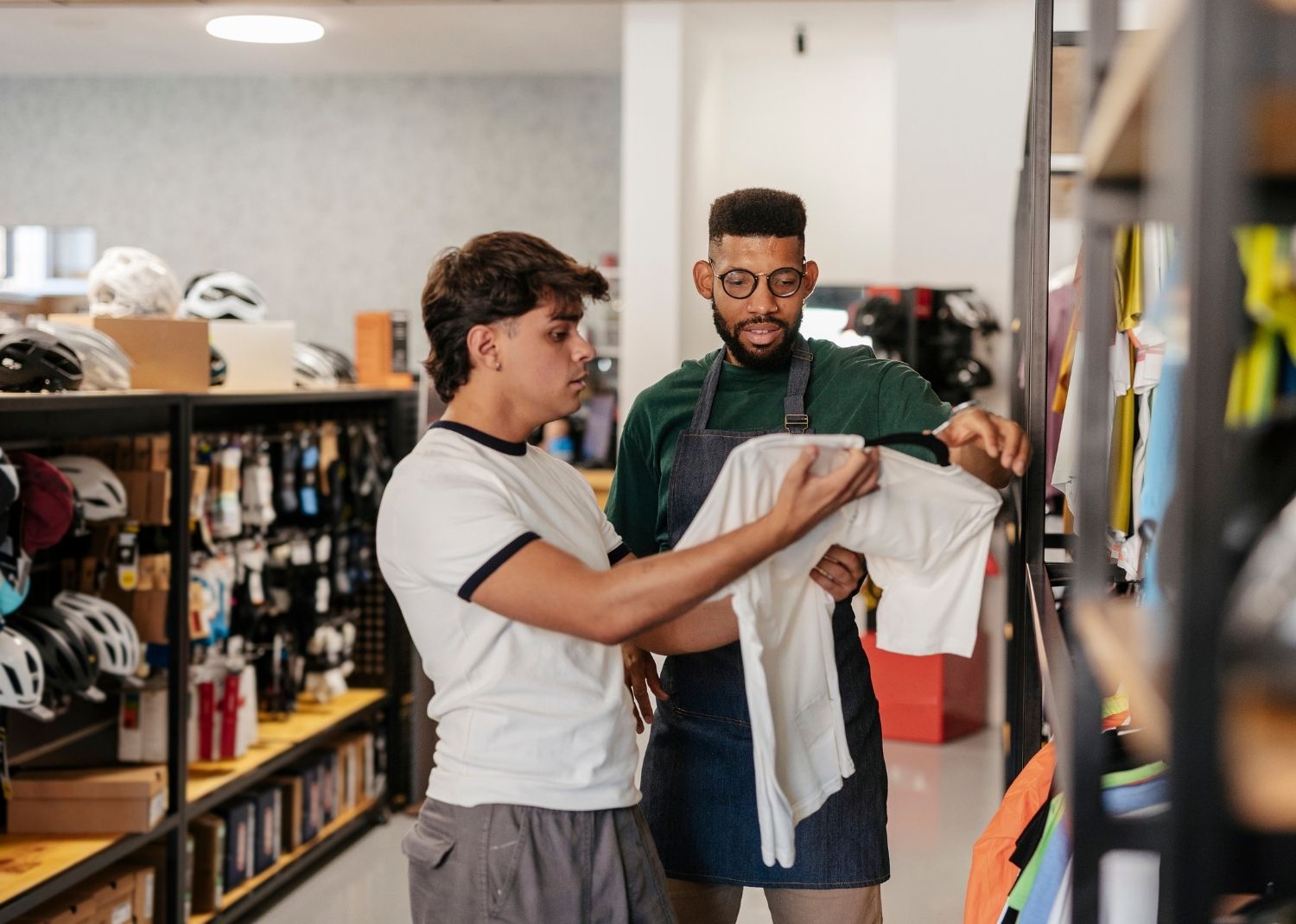
- Return to Human Touch: Following extreme automation, there will be a strong return to human-centered support services to maintain trust.
- Dynamic Decision Making: Planning, inventory, and pricing decisions will be produced by AI with human approval.
In conclusion, AI in retail has moved beyond being an option and has become a strategic necessity. Brands that want to be successful must establish a delicate balance between technical excellence and consumer trust.